Every industry has companies that are environmentally and socially responsible, and others that aren't. Who has time to research all of them, though? I try to keep my eye out for reports of abuses by corporations or good things that they're doing, but it's so hard to keep track! Imagine my excitement when a friend sent me a link to Better World Shopper. They even have a handy book!
Better World Shopper has done the research for me in a large number of industries, and has nice, easy-to-understand lists for each. While I wish there was a drill-down option that would offer an explanation of individual companies and rankings, the list is better than nothing! I like hat, at a glance, I can discover, for example, that our Toyota has a better impact on the world than our Volvo, that my choice to patronize the local BP station isn't so bad, and the pint of Ben & Jerry's on my birthday was a pretty good choice.
The listing of good and bad companies is useful, but maybe even moreso, is the list of the categories where change for the better is most imperative. Choosing a socially-responsible bank, for example, isn't something I ever thought about.
Where do you prioritize your socially- and environmentally-conscious shopping? Are lists like this helpful?
Showing posts with label fair trade. Show all posts
Showing posts with label fair trade. Show all posts
1.07.2010

9.21.2009
Alternative to the Holiday Madness
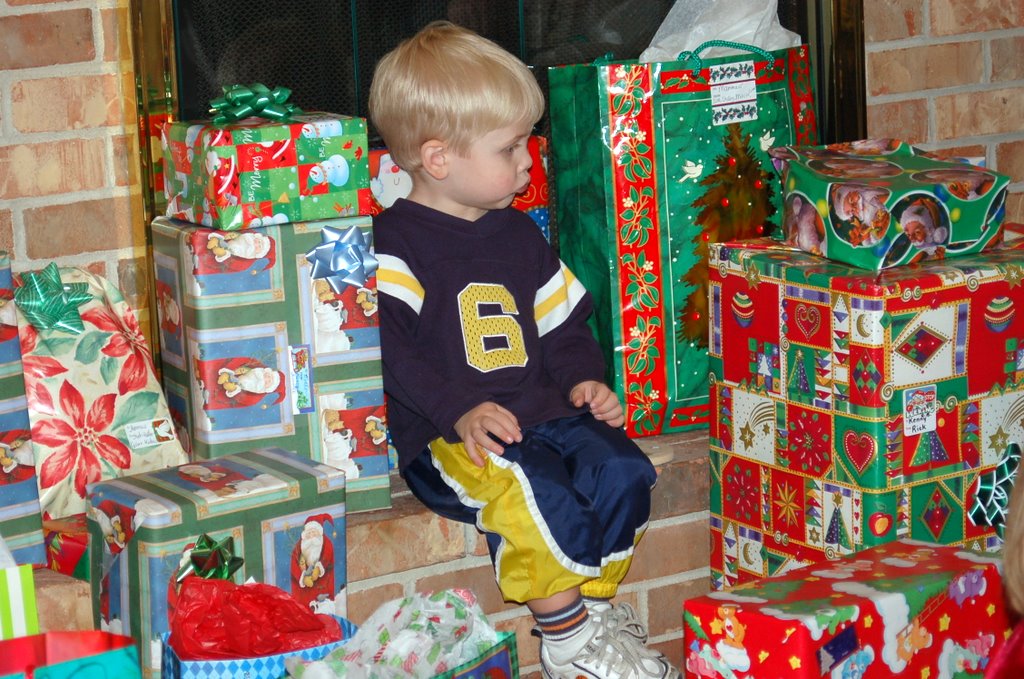
Between now and the end of the year, we've got five family birthdays plus Christmas. Every year, we go back and forth about what to do for gifts. As for me- gifts are not my Love Language, and I'd prefer some sort of experience or something practical to some thing I have to store in my house. We do like getting gifts for our nephews though- but they all have so many toys that we try to find some non-toy thing to get them, and the ideas are running thin. As for our adult siblings and parents, we want to do something, but have trouble thinking up what that something ought to be.
Alternatives to traditional Christmas gifts have popped up over the last few years. These alternatives sometimes save money and sometimes don't, but almost always reduce the environmental impact of the gift and sometimes work toward justice, too!
- Buy nothing - This is the most obvious way to save money during the shopping season- just don't shop. This is a hard decision for us to make, because we do like showing others love by giving them gifts, and we're not sure how we'd explain it to people. There's a whole organization that advocates a Buy Nothing Christmas: "Buy Nothing Christmas is a national initiative started by Canadian Mennonites who offer a prophetic "no" to the patterns of over-consumption of middle-class North Americans. They are inviting Christians (and others) all over Canada to join a movement to de-commercialize Christmas and re-design a Christian lifestyle that is richer in meaning, smaller in impact upon the earth, and greater in giving to people less-privileged."
- Support a cause in the name of the gift-receiver - I think it'd be fun to find causes that I know are near and dear to my loved ones' hearts, and donate to the cause in their name, rather than buying them stuff. Giving the loved one a choice on how to donate by getting a gift certificate to Kiva, DonorsChoose.org or World Vision would make it more fun, because the recipient could choose what project the gift goes toward. The catch: Some of our family does have the love-language of Gifts, and I'm afraid they wouldn't "get" this donation-gift. They rather have a thing, in hand. Curtis is making his birthday list by asking for donations for a trip to Haiti. Bonus: gifts made this way are tax-deductible!
- Do good with a gift - A step from donation-as-a-gift is a gift that also supports a cause. An example of this would be buying a fair-trade toy or purse, or TOMS Shoes as a gift. This would both give the recipient something they can use, and know that, with the purchase, Good is being done by supporting the poor elsewhere.
- Buy handmade - Crunchy Chicken is suggesting this strategy- buying all handmade gifts. Why handmade? The handmade items, along with being works of art and more meaningful, weren't made in sweatshops and produced on a mass scale. Depending on where you find them, they may even be "local", cutting down on the miles they had to travel to get to you.
- Give the intangible - Like I said, I have a hard time thinking up any more stuff that I want as a gift, taking up space and requiring upkeep. An idea we had this weekend was giving intangible things- experiences rather than objects. Museum tickets. Tickets to a show. A "date night" package. Certificate to a locally-owned restaurant. Experience-gifts don't have to be stored or repaired, don't need batteries or assembly- they just give us time with loved ones, which IS my love language. We're leaning toward this gift-strategy this year, but are on the fence about it. Good thing we have a little time to think about it!
6.19.2009
Cheap Shoes for...?

In a conversation with a friend today, we were discussing being aware of hurts in the world, and she made a comment that stuck with me: "It hurts to care." She went on: "Sometimes I want to not get involved because I don't like seeing the dark underbelly of what sin can do to people."
I agree. It hurts to care. It's hard to keep track of the ethical and moral and social justice and environmental problems in the world, and weigh them against each other, choosing the least-bad products and companies and people and organizations to support. It hurts because it takes time and thought, but it also hurts our hearts to know others are hurting even worse- often because of the things I and my neighbors and my countrymen support.
Because I know that, whether I care or turn a blind eye, my purchases are supporting something- good or bad- I choose to support something good. Sometimes that "something good" is my neighbor nearby, when I buy their used goods, saving perfectly usable stuff from a landfill. Sometimes the "something good" is the earth, as I choose to buy food that hasn't traveled as far, or was grown without harmful chemicals. Sometimes it means choosing the best of no-good-option- shopping at the megastore that pays their employees just a little better, or gets less of their stuff from China.
Regardless, it hurts to care.
5.08.2009
World Fair Trade Day!
Saturday, May 9th is World Fair Trade Day! The fair trade store in Indianapolis Global Gifts has specials going on:
- take our fair trade quiz and save 20% on a single item.
- take our blind fair trade chocolate taste test and discover the amazing difference of fair trade.
- enjoy live music and drumming from 11:30-1:30 at Mass Ave and 2:30 - 4:30 at 86th & Ditch.
I have guests in town this weekend, and they may be interested in going- I know they love fair trade chocolate!
Other places I've seen fair-trade items being sold in the area include Whole Foods and the Lightsource Bookstore.
If you go, or plan on celebrating in another way, let us know in the comments!
5.04.2009
Buy Handmade
Buying fair trade items isn't always easy. When products come from the other side of the world, it's hard to trust whether the artisan or factory worker was paid a living wage to make the item. And, the particular item I'm looking for may or may not be offered as fair-trade. What am I to do?

A closer-to-home alternative is buying handmade, via Etsy or local craft fairs. By buying from artisans who are setting their own price, they are getting paid what they view as "fair" and you are getting a quality, one-of-a-kind product. Lately, I've been in the market for a specific gift, and I'm astounded by what's out there. I can get something much more beautiful, unique and special than anything I could find at the mall, for about the same price. I know, when I buy handmade, that I'm supporting someone who is talented and is passionate about what they do, rather than a corporate structure and mass-production.
A closer-to-home alternative is buying handmade, via Etsy or local craft fairs. By buying from artisans who are setting their own price, they are getting paid what they view as "fair" and you are getting a quality, one-of-a-kind product. Lately, I've been in the market for a specific gift, and I'm astounded by what's out there. I can get something much more beautiful, unique and special than anything I could find at the mall, for about the same price. I know, when I buy handmade, that I'm supporting someone who is talented and is passionate about what they do, rather than a corporate structure and mass-production.
4.17.2009
Spotlight: TOMS Shoes
Yes, this is a commercial, but it's highlighting a real, effective organization- TOMS Shoes. TOMS sells simple canvas shoes, and, for each pair sold, gives a pair to someone who doesn't have shoes in the third world.
I mean, of the choices- do you buy shoes made by kids in third world sweatshops, or buy fair-trade shoes AND give third world kids a pair?
Simple idea, serious cause.
2.13.2009
Loving My Neighbor
Too often, I'm too disconnected from the stuff that I buy. I don't think about the materials that go into it, the people along the way that harvested, shaped, or created those materials, or the time put into the object. I just know I need this doohickey, and know that the price is right.
What if I did pay attention to where my stuff comes from? What if I cared?
Some stuff comes from down the street, maybe from the farmer's market, made or harvested by neighbors or members of my community. They charge a price that they think is fair for the stuff they sell. That's cool. I'll buy it because I know where it comes from, know how it was made, and know who made it. I want to support my neighbors. It's easy.
Then there's stuff at the store. Stuff marked "Made in China." I don't know who made it. I don't know where they live. I don't know if the price being charged will pay those people a wage they can live on. I don't know if the stuff was made with safe materials or in safe working conditions or is safe for the environment. But the people who made this stuff? They are still my neighbors.
What to do about this dilemma? How can I love my neighbor with my wallet? Locally, it's easy. I know them, I know what they need, I know what they're selling and how it's made. For the stuff I want to buy, but my "neighbors" far away made it, it's harder. Here's some tips I've found:
What if I did pay attention to where my stuff comes from? What if I cared?
Some stuff comes from down the street, maybe from the farmer's market, made or harvested by neighbors or members of my community. They charge a price that they think is fair for the stuff they sell. That's cool. I'll buy it because I know where it comes from, know how it was made, and know who made it. I want to support my neighbors. It's easy.
Then there's stuff at the store. Stuff marked "Made in China." I don't know who made it. I don't know where they live. I don't know if the price being charged will pay those people a wage they can live on. I don't know if the stuff was made with safe materials or in safe working conditions or is safe for the environment. But the people who made this stuff? They are still my neighbors.
What to do about this dilemma? How can I love my neighbor with my wallet? Locally, it's easy. I know them, I know what they need, I know what they're selling and how it's made. For the stuff I want to buy, but my "neighbors" far away made it, it's harder. Here's some tips I've found:
- Buy Local - If I source items locally, it's more likely I'll know where they came from, how they were made, and whether the conditions were safe and environmentally friendly. Also, the items didn't need to be transported as far, saving on gas.
- Buy Fair Trade - "Fair Trade" is the name given to companies and organization who promise to pay the makers of their products a fair, living wage for their area. Fair Trade products are often also made in a sustainable way, taking into account social and environmental impacts. By buying certified fair trade items, I can support my neighbor by supporting businesses that pay my neighbor enough to live on, and take care of my neighbor's environment and working conditions. See the kitchn's Fair Trade Valentine's tips
- Buy Used - If I can't find the item certified fair trade, can I find it used? By buying used, I am keeping items out of landfills and avoiding sending my money to corporations who don't pay their workers fairly. Someone's already bought it once, new, so there's no reason a still-usable item should go to waste.
- Buy Sustainable - Given the choice between wood and plastic, choose wood, the renewable resource. Given the choice between wood and bamboo, spring for the bamboo- which renews even faster than the wood. If I buy more sustainable or organic products, I am loving ALL my neighbors by keeping fumes from the air and chemicals from the earth.
- Buy from responsible employers. This goes along, sort-of, with the Fair Trade point. Not only should the makers of the products be paid a fair wage, the employees of the retailers should be paid a living wage as well. I choose to shop at retailers who are known for treating their employees- my neighbors- well, and avoid those who don't.
How can I afford this? Well, to be honest, I don't. I'm taking baby steps. I buy used items as often as it practical. I buy local, organic food as often as I can. Fair trade isn't available in as many products, but I was super excited to get a fair-trade purse (made by World of Good ) for Christmas and a fair-trade wallet (made by Maya Traditions ) for my birthday. I prefer bamboo kitchen utensils. I avoid buying plastic toys. Little things, added up, will result in a whole-lifestyle change.
Baby steps.
Inching toward loving my neighbor better.
Subscribe to:
Posts (Atom)

